Diversity
Open-source
Ecology
We love to mix: methods, disciplines, knowledge, culture and languages. We love our Bastard Culture!
Code is our literature: we build software to communicate, interact and inspire. Dyne.org is where art, science and technology meet open source.
We recycle old technology rather than create needs for new one: this is our way to respect the environment and optimize resources.
Our heritage
A large amount of people and organisations in all fields employed and redistributed our creations. Our software gives everybody the right to use, study, share and improve its code, supporting fundamental freedoms.
Dyne.org foundation is proud to announce a new RASTASOFT production:
Zenroom is a small, portable and secure language interpreter of a domain specific language called zencode, able to execute cryptographic operations and smart contracts in a multiplatform environment.
Devuan GNU+Linux is a fork of Debian without systemd that allows users to reclaim control over their system by avoiding unnecessary entanglements and ensuring Init Freedom.
Large versioned repository of open source and open hardware 3D printable designs
Our vision is to promote a circular, resilient, and digitally-based mode of production.
We support collaboratively developed and globally shared data as commons on the web.
ReflowOS is an operating system for communities who want to create federated and secure economic networks to foster the creation of distributed value chains – satisfying human needs, without exceeding planetary boundaries.
Dowse is not only a functional tool, but a symbolic operation proposing a different approach to networking. It provides an easy to use interface with user-centric design inspired by a LEAN UX approach.
Gitzone is a git-based zone file management tool for BIND. Users can update their zones in a git repository, then during a push the zone files are checked, updated & reloaded from git receive hooks.
Frei0r is a minimalistic plugin API for video effects. The main emphasis is on simplicity for an API that will round up the most common video effects into simple filters, sources and mixers that can be controlled by parameters.
Dynebolic is a free software operating system for media activists, artists and creatives, as well as a practical tool for multimedia production, enabling manipulation and broadcasting of sound and video on multiple platforms.
Tomb is an 100% free and open source system for file encryption on GNU/Linux, facilitating the backup of secret files. Tomb is written in code that is easy to review and links commonly shared components.

Dyne has contributed to the development of digital culture and the Internet since the 1990s, showing that it is possible to bring technology close to the people and fight successfully for the common good.
— Tatiana Bazzichelli
Disruption Network Lab ↗

When I dream about building a better digital future, I know where to find its architects: at Dyne!
— Renata Avila
CEO of Open Knowledge Foundation ↗
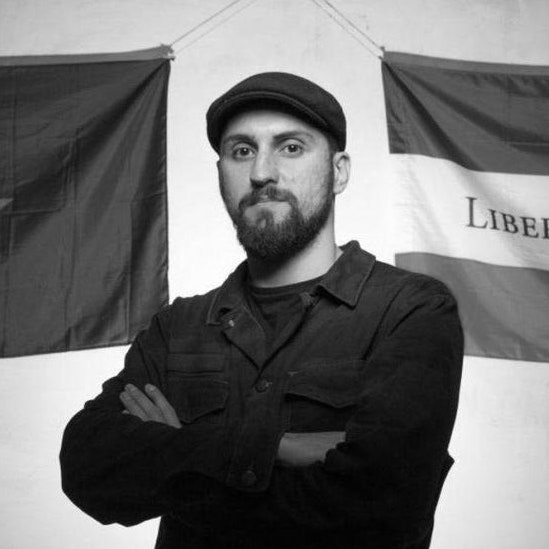
Dyne supports software freedom for many decades, and its founder is the godfather of hacker activism. We are immensely grateful to their support over the years during our nascent humble beginnings. Dyne provides long term stable, sustainable and secure backing for important projects.
— Amir Taaki

Dyne.org’s contribution to the Free Software community is immense. We appreciate this work from India.
— Frederick Noronha
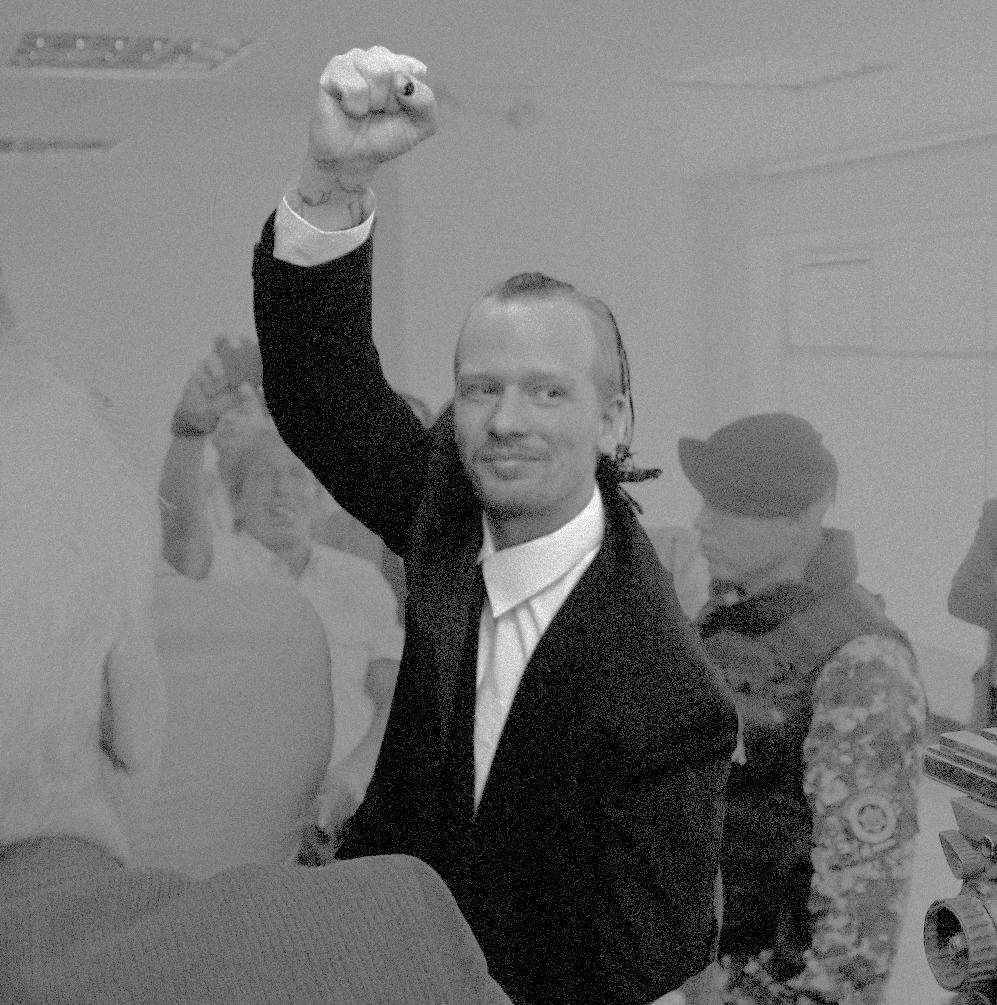
I have worked with Dyne on projects for the EU Commission. They are one of the most important free software organizations in the world, and are constantly pushing for using new technologies to actually help in the daily lives of citizens.
— Ola Bini
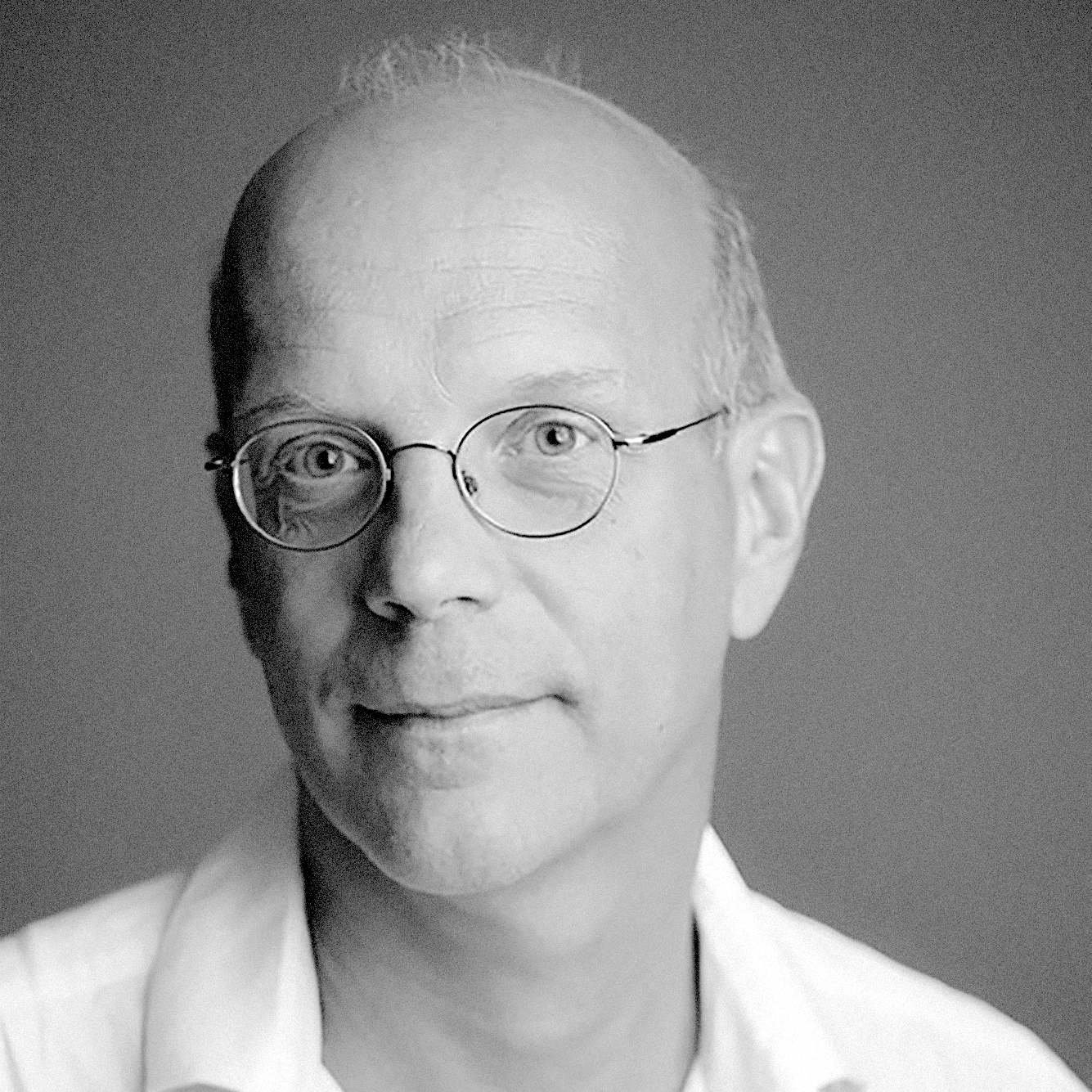
Dyne.org is made of Empowering Technologies, Sovereign Hacktivism, Autonomous Policy, Protological Subversion, Alternative Operating Systems and Utopian Code.
— prof. Geert Lovink

The Tomb project by Dyne.org is actually really cool. They have done a lot of work to make the power of cryptsetup accessible to mere mortals.
— The Grugq
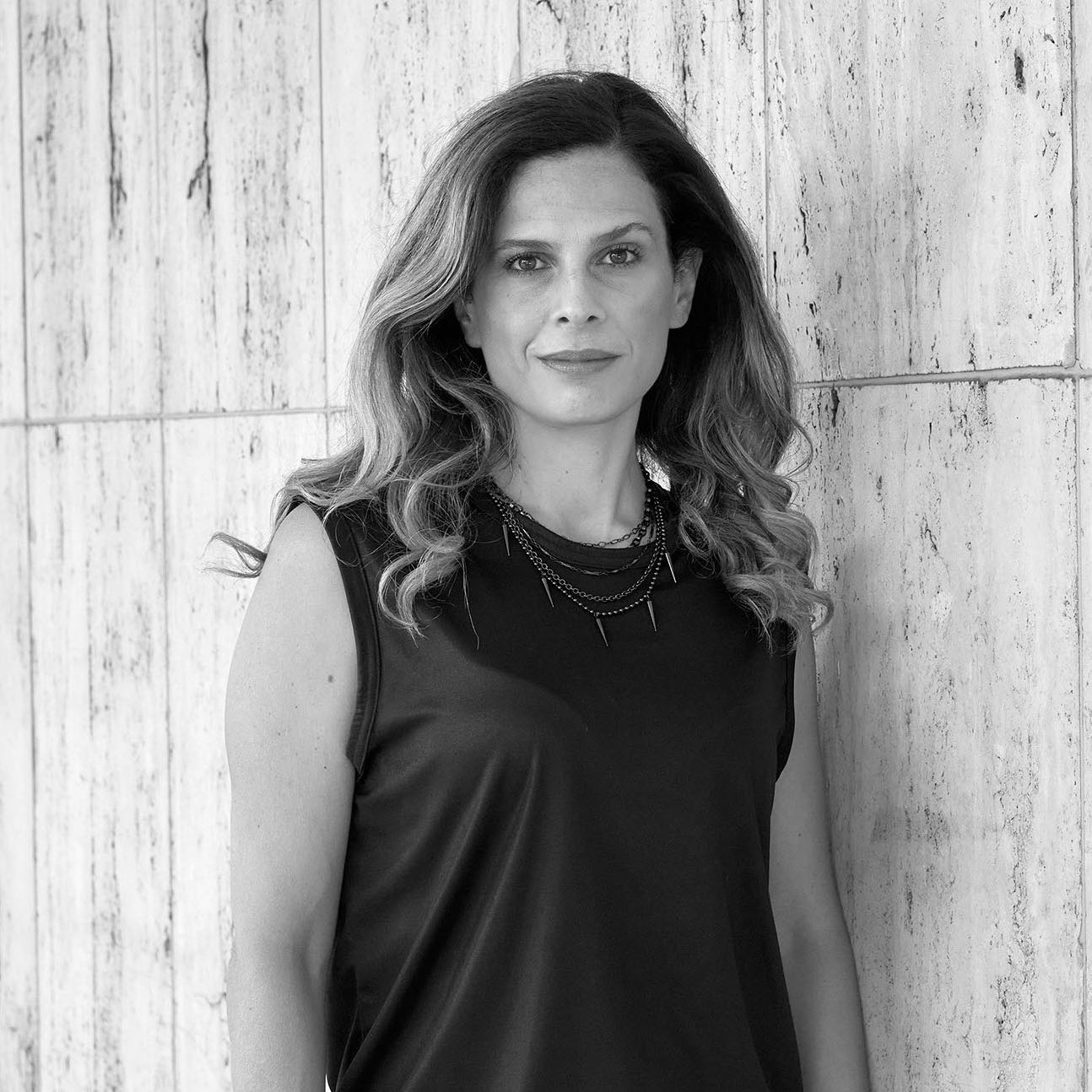
Zenroom stands for Citizen Crypto. It is a core part of the DECODE tech stack for Smart Cities and makes it easy to understand the complexity of data transformation while being compatible with any platform, including Legacy Infrastructure. Dyne.org makes Crypto for Citizens and makes it Open Source.
— Francesca Bria

I was the 2nd Debian project leader. These days, I prefer to run Devuan, a true Debian derivative engineered the way I would probably have decided to make it. It’s efficient and trouble-free. Thanks to the Devuan developers for all of the work!
— Bruce Perens on Slashdot
Help us make an impact
by supporting our work
Our work is strictly non-profit and not commercial. We finance our activities through public funding and voluntary donations.
Donate for free software